

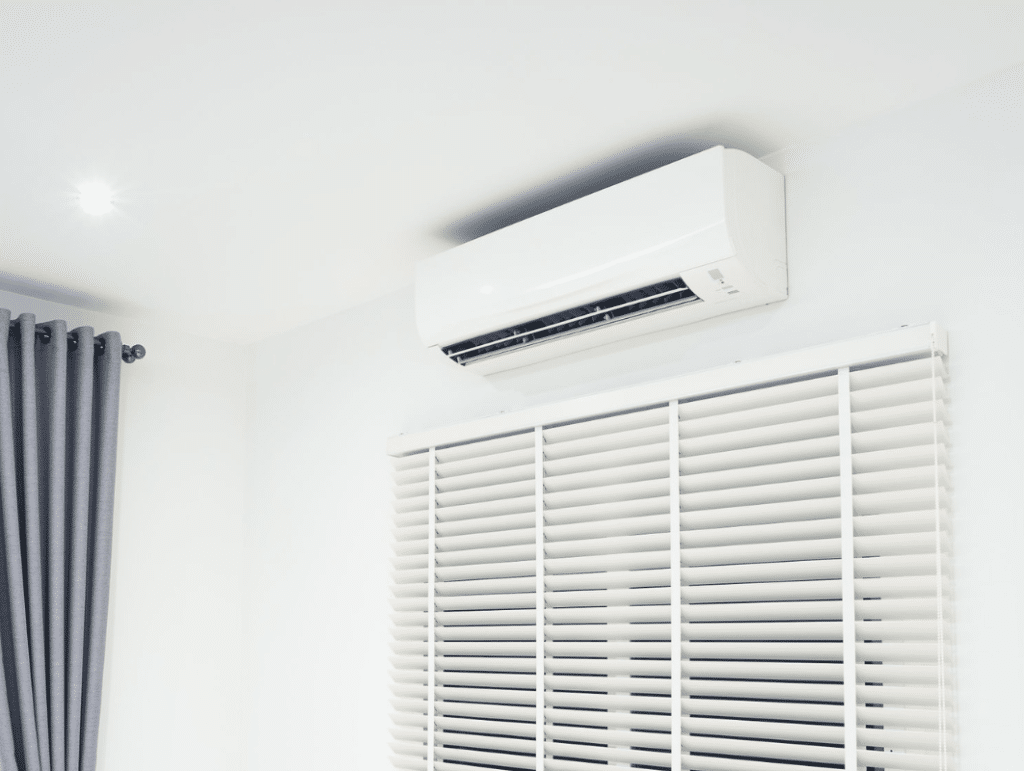
The HVAC industry has seen immense advancements over the years, with ductless systems being a notable development. These efficient and versatile devices have several noteworthy benefits that make them an excellent choice for both residential and commercial settings. Let’s take a closer look at nine key benefits that distinguish ductless HVAC (heating, ventilation, and air conditioning) systems from traditional items.
1. Custom Temperature Control
Unlike conventional HVAC systems that provide uniform temperature throughout the home, ductless units can be controlled individually. This means you can adjust the temperature in each room according to your preference.
2. Easy Installation
The installation of a ductless HVAC system is relatively straightforward and less intrusive compared to traditional ones. It doesn’t require any complex ductwork; only a small hole is needed to connect the indoor and outdoor units.
3. Improved Indoor Air Quality
Ductwork can often accumulate dust and allergens, negatively impacting indoor air quality over time.
4. Lower Carbon Footprint
Due to their energy efficiency attributes, ductless systems have a lower carbon footprint compared to conventional heating or cooling methods.
5. Flexibility in Placement
Ductless units can be installed wherever you want in your home or office—as long as they are connected to an outdoor unit—allowing more flexibility in placement than standard window units or central ACs.
6. Reduced Noise Levels
Traditional HVAC systems can be quite noisy due to compressor and fan noises; conversely, ductless units operate quietly, making them ideal for quiet environments like offices or bedrooms.
7. Cost-Effective
While the upfront cost may be higher, the long-term energy savings of ductless systems can outweigh this initial investment. Additionally, several utility companies offer rebates for installing energy-efficient units like ductless HVAC systems.
8. Long Lifespan
From improved air quality and energy efficiency to noise reduction and flexible placement options, these systems are designed to provide optimal comfort while also reducing environmental impact and saving you money in the long run.
This article delves into the increased efficiency that these ductless systems bring to residential and commercial settings.
High SEER Ratings
SEER (Seasonal Energy Efficiency Ratio) is a critical measure of an HVAC system’s energy efficiency. Generally, the higher the SEER rating, the lower the energy usage and cost. In contrast, ductless systems can attain SEER ratings of up to 33. This high rating means they consume far less power while still providing robust cooling or heating performance.
Zonal Temperature Control
Ductless HVAC systems also stand out due to their capacity for zonal temperature control. Conventional units often lead to hot or cold spots in a building due to inefficient ductwork distribution. However, with ductless units, you can set different temperatures for each room or zone in your building. This precise control not only enhances comfort but also reduces wasted energy on unused spaces.
Heat Pump Technology
Many modern ductless HVAC systems incorporate heat pump technology instead of resorting to burning fuel for producing heat. A heat pump fundamentally moves heat from one location to another rather than generating it from scratch. During winters, it extracts warmth from outside air and transports it indoors; while in summers, it works in reverse by removing heat from inside your home and discharging it outdoors.
Consequently, less energy is used with heat pump-based ductless systems as compared to traditional units that burn fuel for creating warmth.
Reduced Energy Losses
Traditional HVAC systems experience substantial energy losses through their network of ducts — according to some estimates by ENERGY STAR®, up to 30% of energy can be lost via ductwork alone!
Eco-Friendliness
With their high efficiency levels, low power consumption rates and use of environmentally friendly refrigerants (like R410A), ductless HVAC systems stand as eco-friendly alternatives to conventional units. They not only reduce your energy bills but also significantly decrease your carbon footprint – making them an ultimate win-win solution for both your wallet and our planet!
Therefore, considering all these factors together – higher SEER ratings, zonal temperature control capabilities, utilization of efficient heat pump technology, minimized energy losses through elimination of the need for extensive ductwork – it becomes clear that the increased efficiency advantage offered by ductless HVAC systems is indeed hard-to-beat!
One of the major benefits of ductless HVAC systems is their flexibility. Unlike traditional central heating and air conditioning units, ductless systems can be installed virtually anywhere, offering numerous advantages for homeowners and businesses.
Easy Installation
A traditional HVAC system requires complex ductwork throughout your building, which can be expensive and time-consuming to install. In contrast, a ductless HVAC system only requires a small hole for the conduit, making installation much easier and less intrusive.
- No need for extensive ductwork
- Fast and easy installation process
- Minimal disruption to building structure
Multiple Zone Cooling and Heating
Ductless HVAC systems offer the advantage of “zoned” cooling and heating. This means you can control the temperature in individual rooms or zones within your home or business. This flexibility can lead to significant energy savings as you only heat or cool rooms when they’re being used.
- Individual control of temperatures in different rooms/zones
- Reduced energy consumption by avoiding unnecessary heating/cooling
Ideal for Additions and Renovations
If you’re adding a new room to your home or renovating an existing space, a ductless HVAC system is an ideal choice. They’re flexible enough to fit into any design plan without requiring major structural changes. Moreover, if your existing HVAC system doesn’t have capacity to cover the new addition, a separate ductless system could be the perfect solution.
- Flexibility in room design
- Doesn’t require modification of existing HVAC system
Perfect Solution for Spaces Without Ductwork
Not all spaces are designed with ductwork in mind. Certain buildings like older homes, apartments, or commercial spaces may not have provision for extensive duct systems.
- Appropriate for older buildings without pre-existing ducts
- No need to modify building structure
In summing up, location flexibility is one of the most significant benefits that make ductless HVAC systems highly appealing to homeowners and businesses alike. Their easy installation process without requiring complex modifications makes them suitable even for older buildings that aren’t designed with modern air conditioning needs in mind. Their ability to provide unique temperature controls individually also ensures optimal comfort while maximizing energy efficiency.
How Ductless HVAC Systems Contribute to Significant Money Savings
Given the rising costs of energy, homeowners are always on the lookout for ways to save money. One of the most effective ways to do this is by installing a ductless HVAC system. This advanced technology offers significant financial benefits over traditional systems. Here, we’ll examine how you can save money with ductless HVAC systems.
Lower Energy Consumption
Ductless HVAC systems are more energy-efficient than traditional systems. A considerable amount of energy is lost as air travels through ducts in a traditional system, especially if the ducts were not installed correctly or are old and leaking.
With a ductless system, energy isn’t wasted as there’s no need for air to move through ducts. According to the U.
Cost-Effective Installation
However, because ductless HVAC systems don’t require any complicated installation process or expensive materials, they are generally cheaper and faster to install.
In some cases, it may even be possible for homeowners with some technical aptitude to install their units themselves, further driving down installation costs.
Lower Maintenance Costs
Ductless HVAC systems have fewer mechanical components than traditional air conditioning units which makes them less prone to breakdowns and malfunctions. Additionally, they require less maintenance compared to their counterparts that rely on extensive networks of air ducts which need regular cleaning or repairs when leaks occur.
This results in fewer repair bills over time and lower overall costs.
Zoned Heating and Cooling
Another significant advantage of using a ductless HVAC system is the ability to create “zones” in your home. Instead of heating or cooling the entire house, you can control the temperature in each room or area of your house independently.
This means you’re not wasting energy (and money) on unoccupied rooms. It also gives you greater control over your home’s comfort level, allowing you to save money by only heating or cooling rooms that are being used.
Federal and State Incentives
In some states, government incentives are available for homeowners who install energy-efficient systems like ductless HVAC units. These can include tax credits and rebates that effectively reduce the cost of installation.
For those interested in saving money and improving their home’s energy efficiency, ductless HVAC systems offer an effective solution. Their lower operational costs, more efficient use of energy, and potential for government incentives make them a financially smart choice for homeowners.