

Why You Should Insulate Your Plumbing Pipes?
If you’ve lived in Virginia long enough, you know the winters can be unpredictable, and brutally cold. For over 34 years, Vern’s Plumbing has helped homeowners and businesses throughout Warrenton, Bealeton, Culpeper, Gainesville, and Fredericksburg stay ahead of costly plumbing issues caused by freezing temperatures. Our experienced, family owned team delivers honest, high quality plumbing services, including expert pipe insulation that keeps your water flowing year round.
Let’s talk about why insulating your water pipes is one of the smartest (and most overlooked) ways to protect your home.
What Is Pipe Insulation?
Pipe insulation is a protective covering, usually made of foam, fiberglass, or rubber, that wraps around your water pipes. It acts as a thermal barrier to:
- Keep hot water hot and cold water cold
- Reduce energy loss
- Prevent pipes from freezing in winter
- Minimize condensation in humid spaces
Whether you’re looking to insulate water pipes, prevent pipe freezing, or learn how to keep pipes from freezing, insulation is your first line of defense.
Insulate Water Pipes
1. Prevent Costly Frozen Pipe Damage
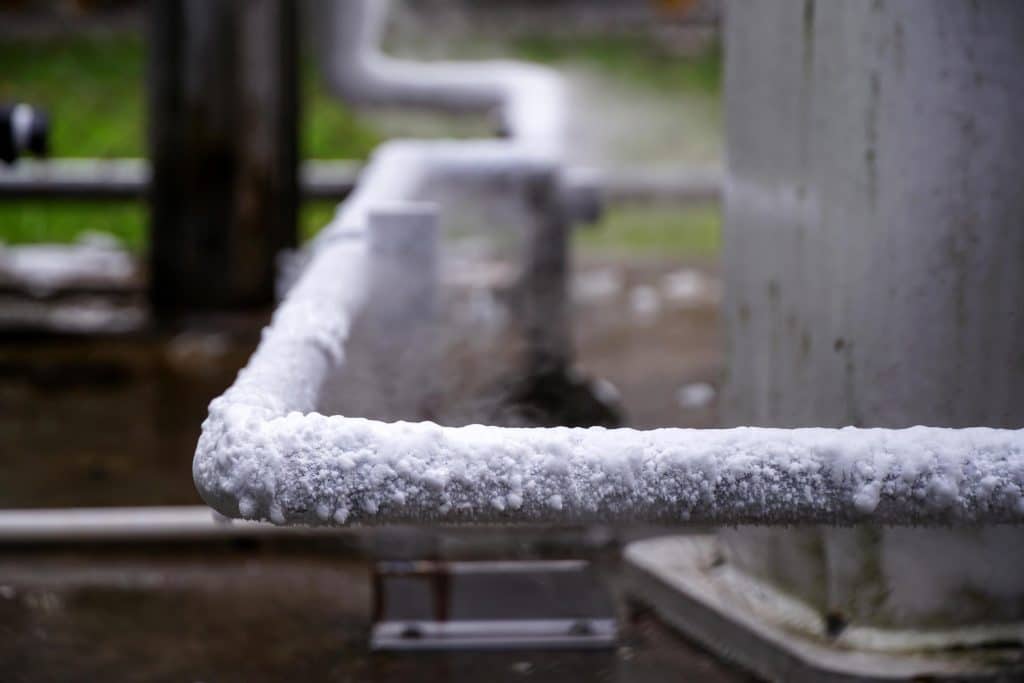
When water freezes, it expands, and that pressure can cause pipes to burst. A single burst pipe can flood your home, damage walls and flooring, and lead to thousands in repairs. Proper insulation keeps water lines above freezing, even in unheated areas like:
- Basements
- Garages
- Crawl spaces
- Attics
- Exterior walls
2. Cut Energy Costs
Insulating hot water pipes reduces heat loss, meaning your water heater doesn’t have to work as hard to maintain temperature. That translates to faster hot water at the tap and lower utility bills. If you’re aiming for energy efficiency, pipe insulation is a no brainer.
3. Stop Condensation & Mold Growth
Cold water pipes tend to “sweat” in the warmer months, especially in humid environments. That condensation can drip onto insulation, wood, drywall, and electrical components, leading to mildew, mold, and structural rot. Insulation eliminates this risk by keeping surface temps stable.
4. Extend the Life of Your Pipes
Pipe materials can degrade over time from exposure to temperature swings and moisture. By buffering against these extremes, insulation helps extend the lifespan of your plumbing system, especially in older homes.
5. Quiet Down Noisy Pipes
If your pipes rattle or knock when you turn on the faucet, insulation can help. It acts as a cushion, reducing the noise caused by water pressure and sudden flow changes.
When to Insulate Your Plumbing Pipes
You don’t need to wrap every single pipe in your home, but certain types should always be insulated to protect your plumbing system and improve performance. Start by checking:
- Pipes in unheated areas – These include crawlspaces, attics, garages, and basements. They’re most at risk during cold snaps and can freeze quickly without protection.
- Pipes along exterior walls – Even in heated spaces, pipes that run close to outside walls can be affected by drafts and temperature drops.
- Older homes – Homes built before modern insulation standards often have pipes that are more exposed or located in vulnerable areas.
- Hot water pipes – Insulation reduces heat loss and delivers warm water faster, cutting down on energy usage.
- Cold water pipes – Insulating them helps prevent condensation, which can lead to mold and water damage.
Not sure where to start? Vern’s Plumbing can inspect your plumbing system and recommend the best areas for targeted insulation.
How to Keep Pipes from Freezing
Frozen pipes can lead to expensive repairs and major water damage. Here’s how to prevent them during cold Virginia winters:
- Insulate exposed pipes
Use foam, rubber, or fiberglass pipe insulation for lines in crawlspaces, basements, attics, garages, and exterior walls. - Maintain a steady indoor temperature
Keep your thermostat set to at least 55°F, even when you’re away from home, to make sure pipes stay above freezing. - Open cabinet doors
In kitchens and bathrooms, leave cabinet doors open to allow warm air to circulate around plumbing under sinks. - Let faucets drip slightly
During extreme cold, allow a small stream of water to flow through faucets, especially those connected to vulnerable pipes. - Seal air leaks around pipes
Use caulk or expanding foam to seal cracks in walls, floors, or foundations where cold air could reach plumbing. - Disconnect outdoor hoses
Shut off and drain outdoor spigots and hoses before the first freeze to prevent pipe bursts. - Consider professional insulation
If you’ve had issues in the past or have older plumbing, call Vern’s Plumbing to professionally insulate and winterize your system.
These simple steps can save you from major headaches, and costly repairs, later on.
DIY vs. Professional Installation
Can You DIY Pipe Insulation?
Yes, if your pipes are exposed and easy to reach, like those in basements, garages, or under sinks, insulating them yourself can be a quick and affordable weekend project. Foam sleeves or insulation wrap tape are readily available at most hardware stores and simple to install with just a few basic tools. For homeowners who are comfortable with light home maintenance, DIY pipe insulation is a great first step toward improving energy efficiency.
But here’s the catch:
Many of the pipes most vulnerable to freezing or condensation aren’t so easy to access. Pipes located behind drywall, underneath floors, or in narrow crawlspaces may require cutting, sealing, or rerouting, tasks best left to a licensed plumbers in Warrenton. A pro will also make sure insulation is code compliant, safely installed, and fully effective across your system. For whole home coverage and peace of mind, consider calling Vern’s Plumbing to handle the job right the first time.
Why Choose Vern’s Plumbing for Pipe Insulation?
At Vern’s Plumbing, we offer more than just plumbing, we offer peace of mind. With over three decades of local experience, we understand how Virginia’s climate impacts your home’s plumbing. Here’s why homeowners trust us:
- Fast, professional insulation service
- Honest recommendations, no upsells
- Affordable pricing and financing options
- Top rated brands like Rinnai, State, Moen, and Delta
- Family owned, community focused service
Our licensed plumbers can spot hidden vulnerabilities, insulate even the most hard to reach lines, and make sure your system is protected, no matter the season.
Common Signs You Need Pipe Insulation
Not sure if your home needs pipe insulation? Here are some red flags that could indicate your plumbing is under protected:
- Knocking or banging sounds in the walls when water runs – This could be due to thermal expansion or water hammer, often worsened by uninsulated pipes that move or vibrate with temperature changes.
- Visible sweating or dripping on pipes during the summer – If your cold water lines appear to be “sweating,” that’s condensation forming due to the temperature difference between the pipe and surrounding air. This can lead to mold, mildew, and even water damage.
- Slow to heat water – If hot water takes longer than usual to reach your faucet, heat loss through uninsulated pipes may be to blame. Insulating hot water pipes can speed up delivery and reduce waste.
- History of frozen pipes – If your pipes have frozen in previous winters, even without bursting, you’re at high risk for future damage. Don’t wait for disaster to strike.
- Higher energy bills during colder months – Your water heater could be overworking to compensate for heat loss in your plumbing system.
If you’ve noticed any of these issues in your home, call Vern’s Plumbing today. We’ll evaluate your system and recommend targeted pipe insulation solutions to keep your plumbing efficient and protected.
Pipe Insulation FAQs
Don’t Wait Until Your Pipes Freeze. Call Vern’s Plumbing Today
Your plumbing system works hard for you, give it the protection it deserves. Whether you’re prepping for winter or upgrading your home’s energy efficiency, pipe insulation is a smart move. And nobody does it better than the honest, experienced techs at Vern’s Plumbing.
Vern’s Plumbing, the Name Virginia Trusts for 34+ Years