

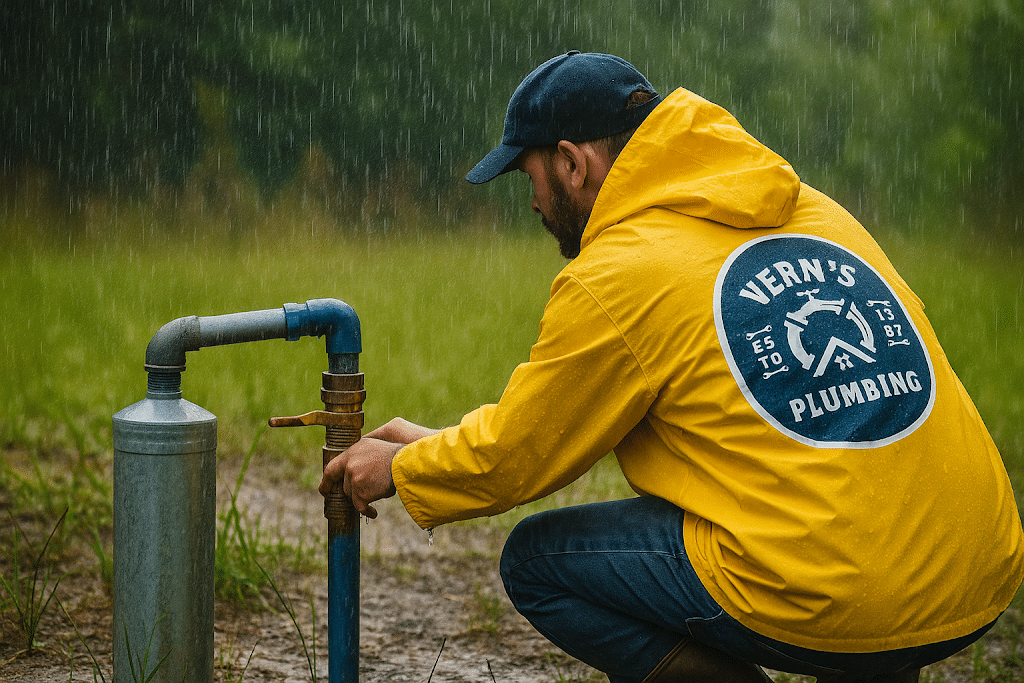
When heavy rain hits, your plumbing system takes on ground saturation, pressure changes, and rising water levels. From sewer backups to hidden leaks and overworked well pumps, the rainy season can reveal or worsen common plumbing problems that many homeowners in Warrenton, VA and surrounding areas overlook until it’s too late.
In this article, we’ll explore how specific services—like sewer repair, leak detection, and well pump maintenance—can protect your home from costly water damage. We’ll also answer one of the most frequently asked questions: does home insurance cover plumbing problems, and what can you do to avoid claims in the first place?
Whether you’re dealing with an older plumbing system or just want to be proactive, this guide will help you stay ahead of rain-related plumbing issues before they escalate into full-blown emergencies.
How Sewer Repair Prevents Rain-Related Backups
Sewer lines are especially vulnerable during rainy weather. When the ground becomes saturated, excess stormwater can infiltrate older or damaged sewer pipes, leading to backups, slow drains, and even raw sewage spilling into your home.
Common warning signs include:
- Water backing up into tubs or showers when it rains
- Gurgling sounds coming from drains
- Persistent foul odors near plumbing fixtures
- Pooling water or sinkholes in your yard
These are signs of common plumbing problems that can escalate quickly during a storm. Sewer repair and sewer replacement services are essential for addressing cracks, root intrusion, or collapsed sections before they cause a flood in your basement or bathrooms.
Homeowners often ask, “Does home insurance cover plumbing problems like this?” In most cases, insurance won’t cover damage from preventable issues, like neglected sewer lines or tree root intrusion. Proactive maintenance and timely repairs are your best defense—and may also help you avoid denied claims.
Common Plumbing Problems
Well Pump Issues
If your home depends on a well for water, the rainy season brings its own unique set of challenges. While groundwater levels may rise, excess rain can also flood the well area, cause sediment disruption, or place stress on your well pump, especially if the system is older or poorly maintained.
Here are a few common plumbing problems associated with well systems during and after heavy rain:
- Sudden loss of water pressure due to sediment clogging or pump strain
- Cloudy or discolored water caused by surface runoff entering the system
- Short-cycling or constant pump operation, which leads to premature wear
- Contaminated water supply, potentially impacting your family’s health
These issues are often invisible until something goes wrong—making well pump repair and regular maintenance critical for homes with private water systems. At Vern’s Plumbing, we offer professional Well Pump services to inspect, repair, and optimize your well before the rainy season puts it to the test.
Leaking Pipes and Water Damage
One of the most frequent plumbing problems during the rainy season is hidden pipe leaks. With saturated ground, shifting soil can put pressure on underground pipes, causing them to crack or shift out of alignment. Indoors, increased humidity and water intrusion can accelerate pipe corrosion or loosen old connections. These issues can cause structural damage, raise your utility bills, and create ideal conditions for mold growth.
Our team uses advanced leak detection tools to identify problems early—even before you notice visible signs. Catching and repairing leaks promptly helps protect your home and prevent expensive repairs later on.
Clogged or Backed-Up Drains and Sewer Lines
Excessive rainfall can overwhelm your drainage and sewer systems, especially if tree roots, grease buildup, or debris are already restricting water flow. During a storm, these minor blockages can turn into full-blown clogs, causing slow drains, bad odors, or even raw sewage to back up into your home.
We offer professional drain cleaning and sewer line repair services to clear blockages fast and restore full flow. Regular maintenance before the rainy season is the best way to avoid emergency backups and flooding when you least expect it.
Does Home Insurance Cover Plumbing Problems?
When unexpected plumbing issues arise—whether it’s a burst pipe, a failed well pump, or water backing up during a storm—many homeowners wonder: Does home insurance cover plumbing problems? The answer isn’t always straightforward and often depends on the nature and cause of the issue.
In general, standard home insurance policies may cover plumbing problems that are sudden and accidental. This includes damage from a burst pipe, an overflowing appliance, or a sewer backup (if you have an endorsement). However, insurance typically won’t cover issues caused by gradual wear and tear, poor maintenance, or outdated plumbing systems.
Here’s what to consider:
- Covered: Sudden pipe bursts, accidental water damage, or resulting structural damage.
- Not Covered: Long-term leaks, corrosion, well pump wear, or any issue due to neglect.
To stay protected, it’s wise to:
- Perform regular plumbing inspections
- Invest in preventive services like leak detection or sump pump maintenance
- Check if your policy includes water damage endorsements
If your home relies on well systems or has a history of common plumbing problems, talk to your insurance provider to understand your exact coverage—and consider adding protection for water-related risks.
Preventive Tips Against Plumbing Problems in the Rainy Season
Rainy weather can quickly expose hidden vulnerabilities in your plumbing system. To avoid unexpected repairs and costly damage, here are some smart preventive measures you can take before and during the rainy season:
- Inspect and clean gutters and downspouts
- Ensure rainwater is properly diverted away from your home. Blocked gutters can overflow and seep into your foundation or basement plumbing.
Check sump pumps and well pumps
Make sure your sump pump and well pump are functioning properly. A failed pump during heavy rains can lead to flooding or loss of water supply.
Schedule a drain and sewer inspection
Backed-up or slow drains can become worse during rain. A professional drain cleaning or hydro jetting service can remove clogs and debris before they cause overflows.
Seal foundation cracks and basement walls
Prevent groundwater from entering your home and putting strain on your interior plumbing systems.
Install a backwater valve
This helps prevent sewage from backing up into your home during heavy rainstorms, which is a common plumbing problem in flood-prone areas.
Test for leaks and water pressure
Rain often increases soil saturation, which can shift pipes or worsen leaks. Early leak detection can prevent emergency situations.
Proactive maintenance is key to avoiding common plumbing problems during the rainy season.
Why Choose Us to Fix Your Plumbing Problems
Vern’s Plumbing understands how frustrating and disruptive plumbing issues can be, especially during the rainy season. That’s why we go beyond basic repairs to offer reliable, long-term solutions. Our team is fully licensed, experienced, and equipped with advanced tools to diagnose and resolve even the most complex plumbing problems quickly and efficiently.
When you work with us, you get:
Fast, Responsive Service
We’re available for emergency plumbing repairs and offer flexible scheduling to fit your needs.
Upfront, Honest Pricing
No hidden fees or surprise charges—just clear estimates and honest work.
Comprehensive Services
From well pump service to drain cleaning, leak detection, and sump pump repair, we handle it all in one visit.
Rainy Season Expertise
We specialize in weather-related plumbing concerns and offer preventative maintenance to keep your system running smoothly.
Commitment to Quality
We don’t just fix the symptoms, but we address the root cause to prevent future problems.
In Warrenton, Vern’s Plumbing stands as a reliable partner for Sewer Repair services. Our dedication to quality, customer satisfaction, and expert craftsmanship distinguishes us as a trusted choice for all your plumbing needs. Call us now to get more information on our service and how we can restore your plumbing works.
Frequently Asked Questions on Plumbing Problems in the Rainy Season
The most common plumbing problems include clogged drains, backed-up sewer lines, water heater issues, sump pump failure, and foundation leaks caused by excess rainwater.
Rainwater can overload sewer systems, increase pressure on pipes, and expose existing weaknesses in your plumbing, causing small issues to escalate into major plumbing problems.
It depends on the policy. Most home insurance covers sudden water damage but not gradual wear and tear. Damage from rain-induced floods may require separate flood insurance.
Yes, excessive rainfall can contaminate your well water, damage electrical components, or flood the pump. Regular inspections and well pump service help prevent costly issues.
Routine maintenance, cleaning gutters and downspouts, checking sump pumps, inspecting outdoor drains, and scheduling pre-season plumbing checks can help avoid unexpected issues.
Turn off electricity to the affected area and call a plumber immediately. A working sump pump and a backflow prevention system are key to avoiding this common plumbing problem.
Yes. Rain washes debris into exterior drains and can push tree roots into underground pipes, leading to blockages and slow drainage—both of which are common plumbing problems.
Poor drainage puts pressure on your foundation and sewer lines, increasing the risk of cracks, leaks, and backups. This is one of the most overlooked but costly plumbing issues.
Poor drainage puts pressure on your foundation and sewer lines, increasing the risk of cracks, leaks, and backups. This is one of the most overlooked but costly plumbing issues.
Look for signs like slow drains, unusual gurgling sounds, water pooling in the yard, or inconsistent water pressure. Schedule a professional inspection before the rainy season begins.
Yes, repeated claims for water-related damage may raise premiums or lead to policy restrictions. Preventive maintenance is the best way to avoid this and protect your coverage.