


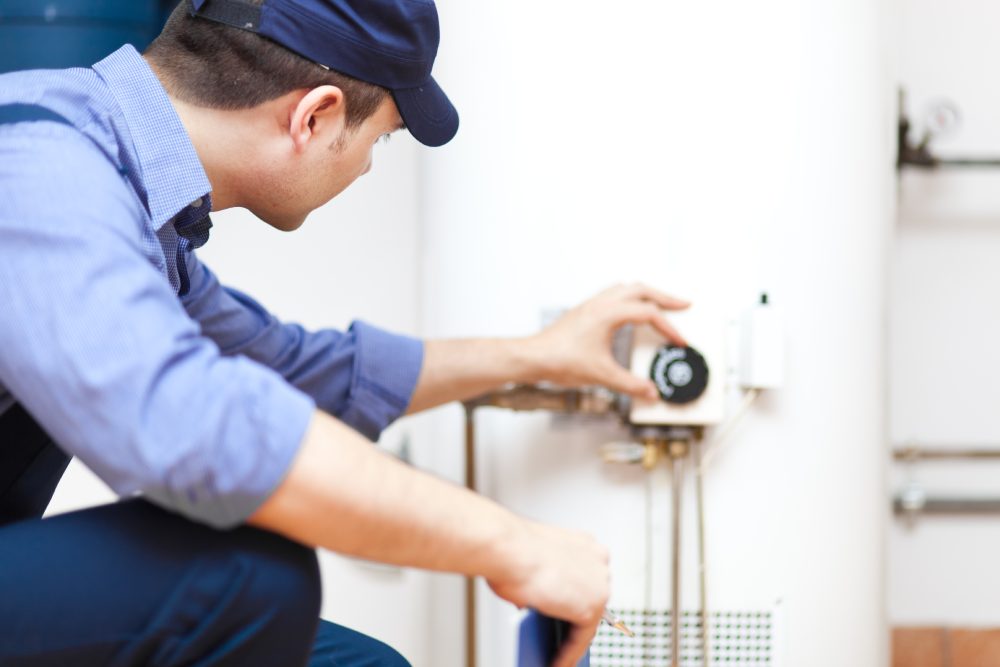
When the winter chill sets in, few things are more comforting than a hot shower or a cozy home warmed by your water heater. But colder months can put extra strain on your water heater, making maintenance essential. At Vern’s Plumbing in Warrenton, we’ve seen firsthand how skipping routine care can lead to cold showers—or worse, costly breakdowns.
To help you avoid those unpleasant surprises, we’ve put together this practical winter checklist. Follow these steps to ensure your water heater is ready to tackle the season ahead.
Winter Water Heater Checklist
1. Check for Inconsistent Water Temperatures
If your water runs hot one minute and lukewarm the next, your water heater might be struggling. This could be due to sediment buildup, a malfunctioning thermostat, or a failing heating element.
What to Do:
- Run hot water in a sink or tub for several minutes.
- If the temperature isn’t consistent, it’s time to investigate—or call us for a closer look.
2. Look for Leaks
Water pooling around the base of your water heater is an easy sign of trouble. Even small leaks can grow into major issues, damaging floors and walls.
How to Check:
- Look for puddles or dampness around the tank.
- Examine connections at the top and bottom for drips.
- If you detect a leak, it’s best to call a professional right away.
3. Listen for Unusual Noises
Knocking, banging, or popping noises coming from your water heater aren’t normal. These sounds usually mean sediment has built up at the bottom of the tank, causing the unit to work harder than it should.
Quick Fix:
A professional flush can often resolve this, but in severe cases, the tank may need more extensive care.
4. Check the Age of Your Water Heater
Water heaters don’t last forever. Most traditional tank-style units have a lifespan of 8-12 years, while tankless hot water systems can last longer with proper care. An older water heater is more likely to fail, especially under the added stress of winter.
How to Tell:
- Look for a manufacturer’s label on the tank with the installation date.
- If the unit is approaching or past its lifespan, consider replacing it before it quits unexpectedly.
5. Look for Rust and Corrosion
Rust is a clear warning sign that your water heater is on its way out. This could show up on the outside of the tank or in your water itself.
Red Flags:
- Discolored, rusty water when using hot taps.
- Visible rust on the exterior of the tank.
6. Test the Pressure Relief Valve
The pressure relief valve is a safety feature that prevents your water heater from overpressurizing. If this valve isn’t working, it’s a serious risk.
How to Test:
- Gently lift the valve lever and let it snap back.
- If water doesn’t release or it keeps dripping afterward, the valve needs attention.
7. Monitor Your Hot Water Output
Are you running out of hot water faster than usual? This could be a sign of sediment buildup reducing your tank’s capacity or a failing heating element.
What to Watch For:
- Less hot water than normal.
- Water that takes longer to heat up.
8. Pay Attention to Energy Bills
A sudden spike in energy costs could mean your water heater isn’t running efficiently. Older or poorly maintained units tend to use more energy to do the same job.
Action Step:
- Compare your current bills to the same time last year.
- If there’s a noticeable increase, it’s worth having your water heater inspected.
9. Flush the Tank
Sediment naturally accumulates in the bottom of your water heater tank over time. If it isn’t flushed out regularly, it can harden, reducing efficiency and potentially damaging the tank.
Winter Tip:
A quick tank flush can help your water heater work more effectively during the colder months. If you’re unsure how to do this safely, give us a call.
10. Insulate Your Water Heater and Pipes
Insulating your water heater and exposed pipes can help prevent heat loss and freezing. This is especially important for water heaters located in unheated areas like garages or basements.
DIY Steps:
- Wrap your water heater with an insulation blanket.
- Use foam pipe insulation to cover exposed pipes.
11. Schedule a Water Heater Maintenance Check
Even if your water heater seems to be working fine, an annual inspection can uncover hidden problems before they escalate. A professional plumber can clean the unit, replace worn parts, and ensure everything is running efficiently.
Why It Matters:
A small investment in maintenance now can save you from an emergency water heater repair, or replacement, down the road.
Winter Water Heater Checklist Summary
Here’s a quick recap of steps to keep your water heater ready for winter:
- Ensure consistent water temperatures.
- Inspect for leaks and unusual noises.
- Check for rust and test the pressure relief valve.
- Monitor hot water output and energy bills.
- Flush the tank and insulate your system.
- Don’t forget an annual maintenance visit.
At Vern’s Plumbing, we understand how important a reliable water heater is during the coldest months of the year. If you notice any of the signs on this checklist or just want peace of mind, we’re here to help. We hope the winter water heater checklist was helpful.
Contact us today to schedule a winter water heater tune-up and enjoy worry free hot water all season long!