


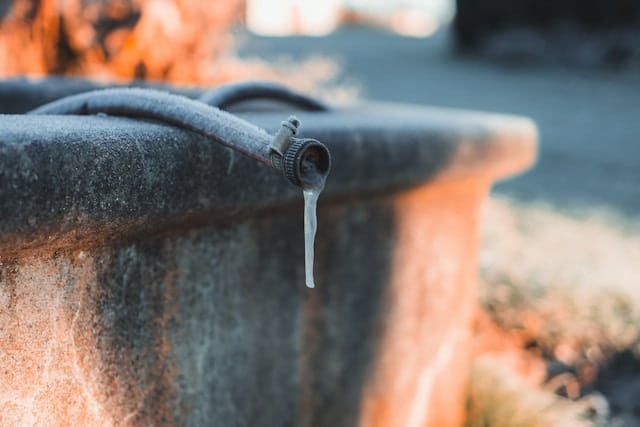
As the crisp autumn air turns into the biting chill of a Virginia winter, homeowners across the region begin their seasonal checklists. While raking leaves and cleaning gutters often take priority, there is a critical task beneath the surface that demands attention. Protecting your home from freezing temperatures starts with a proactive approach to winter plumbing prep Northern VA, especially when it comes to outdoor faucets and irrigation lines.
Understanding how water behaves in freezing conditions is essential to preventing damage. When water freezes, it expands, placing intense pressure on pipes, hose bibs, and sprinkler lines. If that pressure has nowhere to escape, it can cause pipes to crack or burst, leading to extensive water damage and costly repairs once temperatures rise again. Proper winterization helps eliminate trapped water before freezing temperatures take hold.
This is where Vern’s Plumbing stands out. With extensive local experience and a deep understanding of Northern Virginia’s winter climate, their team applies proven winterization methods designed to protect your plumbing system long before freezing weather arrives. Our company focuses on prevention, precision, and long-term reliability, helping homeowners avoid unexpected breakdowns while safeguarding their property against the harsh realities of winter.
The Importance of Professional Winter Plumbing Prep Northern VA
Many people assume that simply turning off the handle on an outdoor spigot is enough to prevent trouble. However, traditional faucets often hold residual water within the assembly or the pipe leading through the exterior wall. Without a comprehensive strategy for winter plumbing prep Northern VA, this trapped moisture becomes a ticking time bomb.
The local climate is particularly tricky. We often experience “freeze-thaw” cycles where temperatures dip well below freezing at night only to rise during the day. This constant fluctuation puts immense stress on plumbing joints and seals. Engaging in proactive care ensures that your home remains a sanctuary rather than a construction zone due to a flooded basement or a ruined foundation.
Hose Bib Winterization
The process of securing your outdoor faucets, often referred to as hose bib winterization, is a straightforward task that yields significant long-term benefits. If you have standard faucets rather than frost-proof models, this process is non-negotiable.
- Disconnect All Hoses: This is the most common mistake homeowners make. A hose full of water attached to a faucet will prevent the spigot from draining properly. Even if you have a frost-proof faucet, a connected hose can cause the unit to trap water and burst inside your wall.
- Locate Internal Shut-off Valves: Most homes in our area have individual shut-off valves for outdoor spigots located in the basement, crawlspace, or utility room.
- Drain the Line: Once the internal valve is closed, go back outside and open the outdoor faucet completely. Let any remaining water flow out.
- The Bleeder Cap: Back inside at the shut-off valve, you will often find a small brass cap called a “bleeder.” Place a bucket underneath and unscrew this cap to allow the vacuum to break, letting the very last drops of water escape the line.
Utilizing Outdoor Faucet Protection Covers
For an added layer of security, many experts recommend outdoor faucet protection in the form of insulated covers. These foam or fabric “socks” fit over the spigot and provide a buffer against the wind chill. While they are not a substitute for draining the lines, they are an excellent secondary defense, especially during extreme cold snaps that last for several days.
Preparing Your Irrigation System for Freezing Temperatures
Your sprinkler system is a significant investment in your home’s curb appeal. Unlike hose bibs, irrigation lines are buried shallowly in the ground, making them highly susceptible to the frost line. A complete blowout is usually the preferred method for winter plumbing prep Northern VA when it comes to these systems.
This involves using a high-volume air compressor to force every drop of moisture out of the underground pipes, valves, and sprinkler heads. If water stays in the “bellies” or low points of your piping, it will expand and crack the PVC or poly-pipe. Replacing a single section of underground pipe is an invasive and expensive process that often requires digging up your lawn or flower beds.
Outdoor Faucet Protection
If you skip the steps for outdoor faucet protection, the consequences usually don’t appear until the first warm day of spring. You might turn on your hose to wash the car, only to find that your basement is flooding because the pipe split inside the wall months ago. This “hidden” damage is why winter plumbing prep Northern VA is so vital for the structural integrity of your home.
If you are unsure where your shut-off valves are located, our team can help. Check out our residential plumbing services to ensure every part of your system is inspected before the first freeze.
Why Early Maintenance Saves Money
Waiting until the first frost warning to think about winter plumbing prep Northern VA often leads to rushed mistakes or the inability to find a professional who isn’t already booked solid. Starting this process in late October or early November allows you to identify existing leaks or faulty valves that need repair before they become emergencies.
When a pipe bursts, the cost isn’t just the plumber’s bill. It includes the restoration of drywall, flooring, and potentially the replacement of personal belongings. By investing a small amount of time in hose bib winterization now, you are effectively buying insurance against the harsh winter weather.
The Role of Frost-Proof Faucets
Many modern homes are equipped with frost-proof sillcocks. These are designed with a long stem that places the actual valve seat deep inside the heated envelope of the home. Even with these advanced fixtures, winter plumbing prep Northern VA remains necessary. If the faucet is not installed with a slight downward pitch, or if a hose is left attached, the “frost-proof” nature of the device is nullified.
Sometimes, a slow drip from an outdoor faucet indicates a deeper issue. Our water leak detection specialists use non-invasive technology to find problems before they escalate into winter disasters.
Protecting Your Main Water Service Line
While hose bibs are the most frequent victims of cold weather, your main water line also requires consideration. In our region, the frost line can reach deep into the soil during particularly brutal winters. Ensuring that your main line is buried at the appropriate depth and that any exposed sections in unheated areas like garages are insulated is a core component of winter plumbing prep Northern VA.
For homes with wells, the pressure tank and associated piping in the well house need a heat source or heavy insulation. A frozen well pump can leave a family without water for days, making this a top priority for rural properties.
Common Myths About Winterizing
Some believe that leaving a faucet dripping will prevent it from freezing. While this might work for indoor faucets on an exterior wall by keeping water moving, it is a poor strategy for outdoor spigots. The dripping water can freeze into an ice dam, eventually blocking the flow and causing the pipe to burst anyway. True winter plumbing prep Northern VA relies on removal of water, not just movement.
Another misconception is that heat tape is a permanent fix. Heat tape can fail, and if it isn’t installed perfectly, it can pose a fire hazard. It is always better to drain the system than to rely on electrical heating elements for outdoor faucet protection.
Winter often means more time spent indoors and more strain on your drainage system. Consider a professional commercial drain cleaning as part of your seasonal maintenance to prevent backups when the weather is at its worst.
Comprehensive Winter Plumbing Prep Northern VA Checklist
To ensure nothing is missed, follow this comprehensive checklist for your property.
- Audit all outdoor spigots: Check for leaks before shutting them down.
- Remove and store hoses: Drain them and store them in a garage or shed.
- Insulate exposed pipes: Focus on the attic, crawlspace, and garage.
- Service the water heater: It works harder in the winter; a quick flush can improve efficiency.
- Check sump pump lines: Ensure the discharge line isn’t blocked and slopes away from the house.
By following these steps, winter plumbing prep Northern VA becomes a manageable routine rather than a stressful chore.
Why Irrigation Systems Need Professional Attention
While a homeowner can easily handle hose bib winterization, irrigation systems often require professional tools. A standard shop vac or a small tire compressor does not have the “CFM” (Cubic Feet per Minute) required to move water out of a long underground run. Using the wrong equipment can actually damage the delicate internal components of your sprinkler heads or zone valves.
Professional winter plumbing prep Northern VA for irrigation includes checking the backflow preventer. This device prevents contaminated irrigation water from entering your home’s clean water supply. Because it sits above ground or in a shallow box, it is often the first thing to freeze and crack.
Despite our best efforts, sometimes the weather wins. If you find yourself facing a burst pipe in the middle of a freeze, our emergency plumbing team is ready to respond and limit the damage to your home.
Frequently Asked Questions
Understanding the technical details of seasonal maintenance helps prevent unexpected property damage and ensures your home remains efficient throughout the colder months. Our team has compiled these answers to help you navigate the complexities of winterization and protect your plumbing infrastructure from the harsh Virginia freeze.
These insights provide a solid foundation for your seasonal checklist and help clarify the best practices for maintaining a dry, safe home environment. If you encounter specific issues or unique configurations in your plumbing system, professional guidance is always the most reliable way to guarantee total protection against the elements.
Secure Your Home with Vern’s Plumbing for Total Winter Readiness
Setting aside time for winter plumbing prep Northern VA is about so much more than just crossing a chore off your list; it is about protecting your peace of mind. No homeowner wants to be woken up by the sound of a pipe bursting in the middle of the night or the sight of a flooded basement. By focusing on proper hose bib winterization and ensuring your outdoor faucet protection is in place, you can actually relax and enjoy the beauty of the season without worrying about what is happening inside your walls.
According to the Insurance Institute for Business & Home Safety, water damage from frozen pipes is one of the leading causes of property claims during the winter months. Furthermore, the Environmental Protection Agency notes that even small leaks can waste thousands of gallons of water, a problem that often begins with frost damage. For more technical details on pipe expansion, you can consult resources from the American Society of Civil Engineers.
At the end of the day, consistent winter plumbing prep Northern VA is the signature of a well-maintained home. Whether you choose to handle the outdoor drainage yourself or prefer the certainty of having a professional from Vern’s Plumbing ensure everything is bone-dry, the small effort you put in now will pay huge dividends when spring arrives and your system turns back on without a hitch.